



You join the stream hoping for a fair chance. Some Discord giveaways are not random. They are pre-planned to benefit the organizers and their staff. Participants believe they have a fair shot at winning. Insiders say the staff hand-picks winners behind the scenes. This matters more than ever. Impersonation scams copy the same format and steal from honest viewers. You need to understand the mechanics before you join. The warning signs are clear. Stay cautious. If a giveaway feels too good to be true, it probably is.
Key Takeaways
Stake Eddie’s weekly Discord giveaway is not random; staff choose the winners ahead of time.
People who know say there is no real draw. Winners are picked by hand behind the scenes.
Fake winners pretend to be surprised during the stream to make the giveaway seem real.
Winner patterns show the same accounts and fake reactions. This proves the draw is rigged.
There are no public draw records or independent audits. This keeps the truth hidden from participants.
Stake makes money from people’s deposits and their false hope, while participants waste their time and money.
Scammers pretend to be someone else by copying this style. They use fake accounts and stolen profiles to take your money.
Keep yourself safe: check giveaways on official channels, don’t send deposits, and report accounts that seem suspicious.
Inside the Weekly Discord Giveaway Scam
Every week, an official stream runs on Discord. The host is the organizer. The format looks simple. The team opens several rooms. One winner comes from each room. Then one final winner emerges from those. The community calls this the multiple rooms format. You see the rules posted in Discord. You watch the stream. Everything appears fair and random. The reality is different. Some Discord giveaways work on a fixed system. Staff members choose the winners before the stream even starts.
The Multiple Rooms Format
Public Rules Explained
The public rules describe a random selection process. Several Discord rooms open for participants. Each room picks one winner. Those winners then compete for a grand prize. The rules say anyone can join. The rules claim chance decides the result. You read these rules and think you have a fair shot. The rules exist to create an illusion of fairness. They make the event look real.
What Viewers Are Told
Viewers hear the same message every time. The hosts say the draw is random. They say the winners are lucky. They tell you to join every week. The stream chat fills with excitement. People believe they might win. This belief drives engagement. It pushes deposits. It builds loyalty to the platform. The message is carefully written. It keeps you coming back.
No Real Draw Happens
Staff Pick Winners Manually
No random draw takes place. A former team member confirmed this. He worked at the organization and left. He said the setup is pre-planned. Staff members pick whoever they want. They do not use a randomizer. They do not draw names from a hat. They choose winners based on internal choices. The selection process happens behind closed doors. You never see it. You only see the final result on stream.
No Randomizer or Audit
A real giveaway uses a randomizer tool. It also gets checked by an outside expert. This event has neither. No third party checks the results. No public record shows how the team chose winners. Not having these protections is a red flag. A fair draw leaves a trail. This event leaves nothing. The lack of open proof shows the result is controlled.
Planted Winners in Every Room
Organizer Team Members Pose as Random Users
The insider shared a key detail. The organizers put their own people in every room. These people pretend to be regular users. They act like everyday participants. They chat in Discord. They join the rooms. When the stream announces winners, these planted people win. The crowd thinks a normal person won. But really, a team member won. This happens in all rooms. The same pattern repeats every week.
Acting on Stream for Credibility
The planted winners do more than just win. They put on a show on stream. They act surprised. They celebrate like real winners. They thank the community. This acting creates trust. Viewers see the reaction and think the win is real. The performance makes you believe the system works. It makes you keep trying. The acting is part of the scam. It keeps the false story alive.
The difference here matters. The official event runs this unfair format. Impersonation scams copy the same setup. Fake accounts use the multiple rooms idea to steal from you. They promise prizes. They ask for deposits. They disappear. Both the official event and the copycats hurt participants. The official event builds false hope. The impersonators steal directly. You must see both dangers.
Evidence the Giveaways Are Rigged
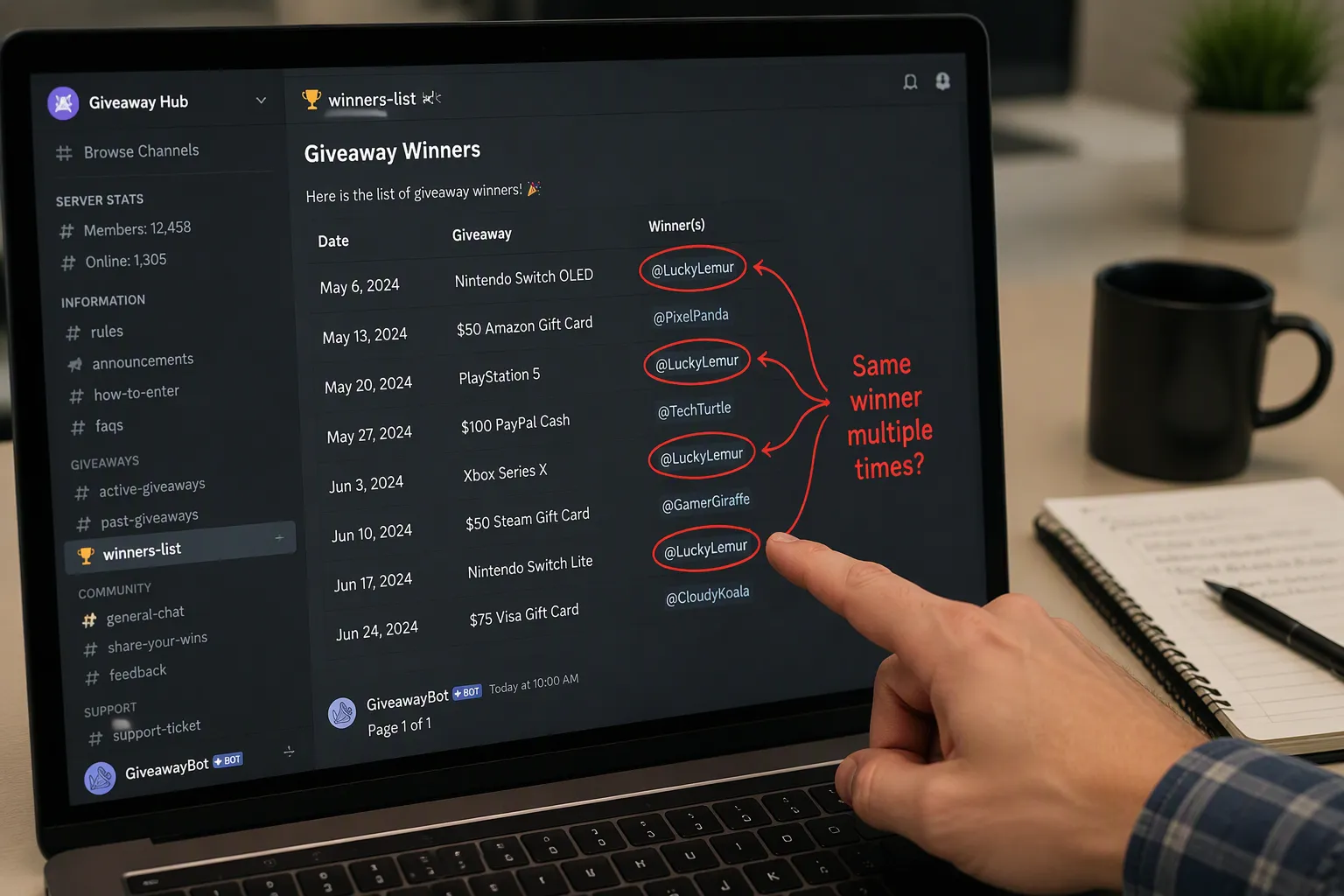
You should have proof before you trust any giveaway. The evidence against these events is strong. Insider testimony, winner patterns, and a complete lack of transparency all point to one conclusion. Some Discord giveaways are not random. Here is why the evidence matters.
Insider Testimony
Former Employee Account
A former team member gave direct testimony. He worked at the organization for a period of time. He has since left. He spoke about the weekly stream setup. His account carries weight because he saw the process from inside. He did not guess or speculate. He described what he witnessed firsthand. His statement confirms what many participants already suspected. The winners are not chosen by chance.
Pre-Planned Setup Confirmed
The insider confirmed a pre-planned setup across all Discord rooms. The organizers place their own person in each room. These planted individuals get selected as winners every week. The staff decides the outcome before the stream begins. No draw takes place. No random selection occurs. The insider described how these planted winners act on stream. They pretend to be regular users. They show surprise when announced. They thank the community. This acting creates a false sense of legitimacy. The pre-planned nature of the event means your chances are zero from the start.
Winner Patterns
Repeat Winners and Alt Accounts
You can spot suspicious patterns in the winner lists. The same accounts appear multiple times across different weeks. Some accounts show very little activity before winning. They join Discord shortly before the event. They win quickly. Then they disappear. These patterns suggest alt accounts controlled by the same people. Real participants rarely win. The same small group cycles through the winner’s circle. This repetition is not random. Random draws produce varied results. This event produces the same names again and again.
Rooms With Suspicious Consistency
Each of the rooms follows an identical pattern. The planted winner appears in every room. The behavior is consistent across all rooms every week. The timing of announcements feels scripted. The reactions from winners feel rehearsed. You notice the same phrases and the same excitement levels. Real winners react differently. Some are quiet. Some are confused. Some ask questions. The planted winners follow a script. This consistency across rooms proves coordination. A fair draw would show natural variation. This event shows none.
No Transparency
No Public Draw Records
A legitimate giveaway keeps records. Organizers document how they select winners. They publish the results for anyone to check. This event publishes nothing. You cannot find a single draw record. You cannot see how the staff chose winners. You cannot verify the selection process. The absence of records is not an oversight. It is intentional. Keeping the process hidden prevents scrutiny. You have no way to confirm fairness because no evidence exists.
No Independent Verification
Third-party verification protects fair giveaways. An outside auditor reviews the process. They confirm the randomness of the draw. They sign off on the results. This event has no independent verification. No outside party checks the outcomes. No auditor reviews the selection. The organizers control everything. They mark their own homework. This lack of oversight is a major red flag. Fair events welcome scrutiny. Rigged events avoid it. This scam avoids scrutiny at every turn.
The evidence stacks up against the official event. Insider testimony confirms a pre-planned setup. Winner patterns reveal repeat accounts and scripted behavior. The complete lack of transparency hides the truth from participants. You now know why the giveaways are rigged. The proof is in the patterns, the testimony, and the silence.
Who Profits From the Scam
You must ask who gains from this fixed giveaway. The answer reveals why the scam persists. Three parties profit. Each one has a clear reason to keep the fraud going.
The Organizers and Their Staff
Traffic and Deposit Growth
The giveaway drives thousands of viewers to the platform each week. They watch the stream. They deposit money. They play games. The organizers collect the house edge on every bet. The cost of running this fake event is very low.
Planted winners receive minimal prizes. The deposits from honest participants far outweigh those costs. The stream becomes a reliable profit source for the organization. The organizers use the illusion of fairness to fuel their bottom line.
Loyalty Built on False Hope
False hope keeps you on the platform. You believe a fair win is possible next week. You return every week. You bring your deposits with you. This cycle benefits the organizers enormously.
Real loyalty comes from trust. But this loyalty comes from deception. You stay because you think the system works. The organizers know you will keep trying. They count on your hope to sustain their user base.
Discord’s Loose Oversight
Limited Enforcement
Discord sets rules but enforces them weakly. Its Terms of Service prohibit misleading users. Its Community Guidelines ban spam and bait-and-switch tactics. Yet Discord lacks a dedicated contest policy page.
The platform waits for user reports. It does not actively investigate giveaways. This scam exploits this enforcement gap. Without reports, the scam continues. Many participants never report the abuse. They do not know the giveaway is rigged. The fraud repeats every week.
Stolen Accounts Used to Spread Scams
Impersonators take over Discord accounts. They change the profile to look like the original organizer. They send fake giveaway links. People trust these messages because a friend sent them.
The scam spreads through stolen trust. Discord’s response is slow. Account recovery takes hours. The damage happens in minutes. The platform fails to stop the spread.
Ordinary Participants Lose
Wasted Time and Money
You sacrifice time and money each week. You watch the stream. You join the rooms. You wait for your name. It never appears.
You also deposit money during the event. The excitement pushes you to bet more. You lose those deposits. The pattern repeats every week. You gain nothing from your participation. The organizers gain everything from yours.
Exposure to Impersonation Scams
Your participation makes you a target. Scammers watch the stream too. They send you private messages after the event. They claim you won a special prize. They ask for a small deposit to release it. You pay. You never see the money again.
The official scam trains you to trust the format. You believe giveaways work. This belief makes you vulnerable. Your data spreads through scam networks. The harm continues long after the stream ends.
These parties profit at your expense. The organizers collect your deposits. Discord avoids enforcement. You absorb the losses. Understanding this gives you the power to walk away.
Why the Scam Is Growing
The problem gets worse every year. Several forces drive this growth. You need to understand these forces before you join any giveaway.
Rise of Impersonation Scams
Fake Organizer Accounts
Scammers create fake accounts that look like the real organizer. They copy the profile picture. They use similar usernames. They send messages to your Discord inbox. These fake accounts promise you a prize. They ask for a small deposit first. You pay the deposit. The account disappears.
These impersonators copy the weekly Discord giveaway format exactly. They use the same multiple rooms language. They mimic the official stream style. You cannot tell the difference at first glance. The fake accounts grow in number every month.
Stolen Discord Profiles
Scammers also steal real Discord accounts. They take over your friend’s profile. They send you a giveaway link from that trusted account. You click the link because you trust your friend. The link leads to a fake page. You enter your login details. The scammers now control your account too.
This method spreads the scam through your own social circle. You trust the message source. You lower your guard. The stolen profile becomes a weapon against you.
More Participants, More Losses
Social Media Amplification
Social media spreads giveaway announcements fast. Influencers post about the weekly stream. They show fake winner screenshots. Their followers join the Discord server. The participant pool grows larger every week.
More participants mean more deposits. More deposits mean bigger profits for the organizers. The cycle feeds itself. You see others join. You feel pressure to join too.
Crypto Giveaway Boom
Crypto giveaways exploded in popularity. People search for free crypto everywhere. Scammers know this. They target crypto users with fake giveaways. The promise of free Bitcoin or Ethereum pulls you in.
This boom creates millions of potential victims. Scammers need only a small success rate. Even one percent of targets who pay deposits generates huge returns.
Regulatory Pressure Builds
New Rules on Fake Giveaways
Governments now watch crypto giveaways closely. New rules target fake contests and deceptive promotions. Regulators require clear disclosure of giveaway terms. They demand proof of random selection.
These rules help in theory. Enforcement lags behind. Scammers operate across borders. They move servers and accounts quickly. The rules cannot catch them fast enough.
Platform Accountability
Discord faces growing pressure to police its servers. Regulators ask platforms to verify giveaway hosts. They want platforms to remove scam content faster. Discord responds slowly to these demands.
The platform relies on user reports. Most victims never report the scam. They feel embarrassed. They do not know where to complain. This silence lets the scam grow unchecked.
The combination of impersonation tactics, growing participant pools, and weak enforcement creates perfect conditions for expansion. You face more risk now than ever before.
How to Spot and Avoid the Scam
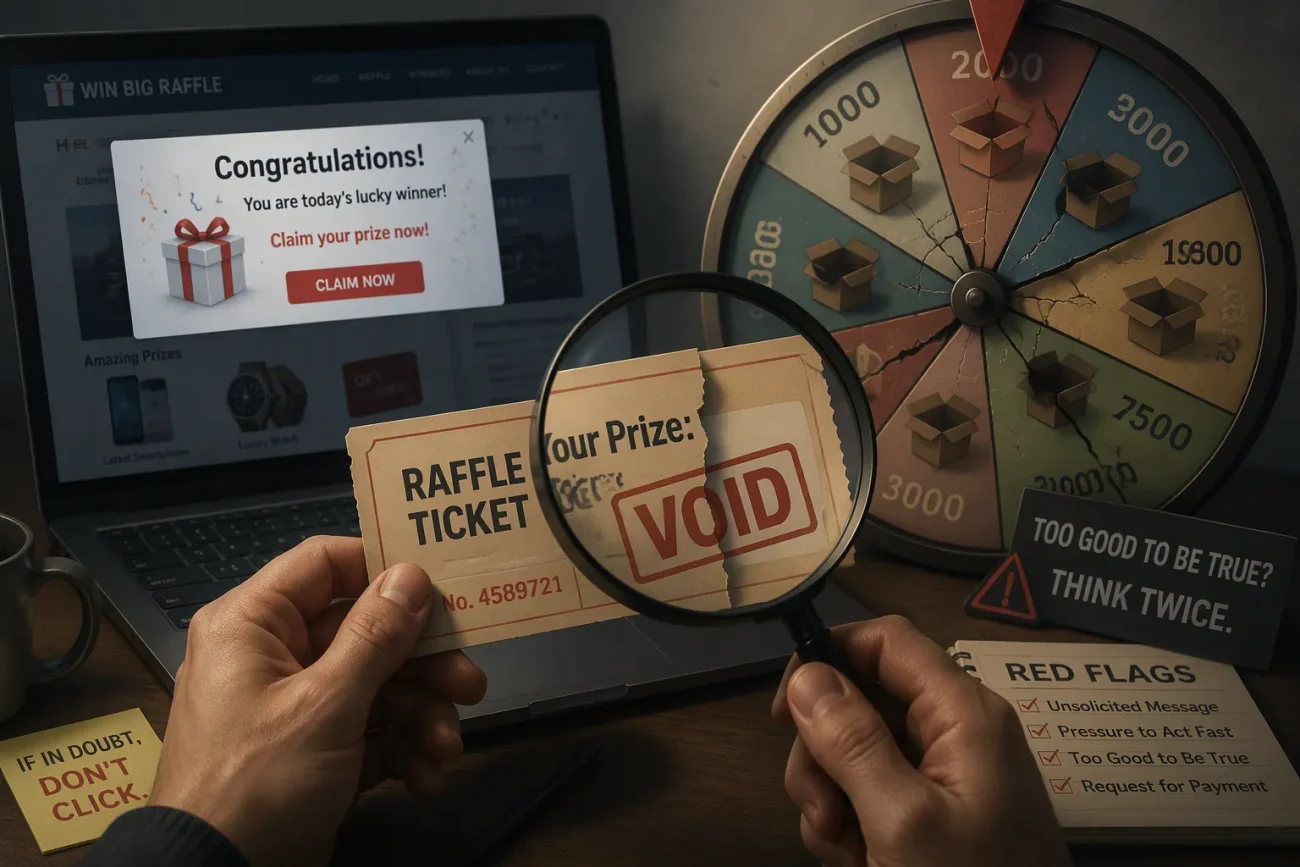
You now know how some Discord giveaways work. Next, you need to protect yourself. You need real tools to spot rigged giveaways and stay away from them. This section gives you those tools.
Warning Signs
Too-Good-to-Be-True Prizes
Scammers offer prizes that seem too amazing to pass up. They promise free Nitro, special in-game items, or big crypto payouts. These hooks pull you in quickly. Real giveaways give fair prizes with clear rules. Fake ones promise everything and give nothing.
You should question every prize that feels too big. A real event explains exactly what you win. It tells you when and how you get it. A scam keeps the details unclear. It counts on your excitement to make you ignore caution.
Pressure to Deposit or Share Info
Real giveaways never ask for money. This rule never changes. If claiming a prize requires logging into a strange site or sending money first, it is a scam. Real staff never ask for your personal info.
Scammers create a feeling of pressure and hurry. They push you with false warnings like account bans or limited-time deals. They ask you to click risky links or scan QR codes for fake rewards. They ask you to download files that might have malware. They ask for access to your money details, like bank accounts, credit cards, or crypto wallets. Any of these requests means danger.
Verify Before You Join
Check Official Channels
You can check if a giveaway is real through official channels. Go to the real platform website directly. Check the official Discord server listed there. Compare the event details with what you find.
Fake accounts copy names and pictures. They cannot copy official verification. Look for verified badges and official announcements. If the giveaway only shows up in private messages, treat it as fake.
Report Suspicious Accounts
Reporting helps you and others. Discord lets you report accounts that send scam messages. Use this feature every time. Report fake organizer profiles. Report stolen accounts that share giveaway links.
Your report might seem small. It adds to a pattern that platforms can track. Enough reports trigger investigations. You help shut down the scam for everyone.
Safer Alternatives
Transparent Giveaways Only
Choose giveaways that show their rules clearly. Look for events with public draw records. Find giveaways that use outside checks. These signs show real honesty.
A fair giveaway welcomes questions. Organizers answer concerns openly. They show you how they pick winners. If an event hides its process, walk away.
Educate Your Community
Share what you learn with friends and family. Tell them about the warning signs. Explain why deposits and personal info requests signal scams. Your knowledge protects others.
Communities that talk about scams become harder targets. Scammers rely on silence and shame. Open discussion takes away their power. Speak up when you see something wrong.
The evidence is clear. Some Discord giveaways are not random. Insider testimony confirms a pre-planned setup. Winner patterns show repeat accounts and scripted reactions. No draw records exist. No independent verification happens. The scam grows through fake accounts and stolen profiles. You must avoid these giveaways. Verify sources before you join. Report suspicious activity to Discord. Protect yourself and your community. If a giveaway feels rigged, it probably is.
FAQ
Why do people believe the giveaway is fair?
The hosts post clear rules. They say chance picks the winners. Planted winners act surprised on stream. You see happy reactions and trust the process. This performance creates false hope. You believe you have a real shot next week.
Why do organizers plant winners in every room?
Planted winners keep the show running. They make the event look real. Real users might ask hard questions. Planted users follow a script. They thank the community and celebrate on cue. This acting builds trust and drives more deposits.
Why is there no public draw record?
A public record would expose the truth. No randomizer runs during the event. Staff pick winners by hand. Publishing results would show the same names repeating. Keeping the process hidden protects the scam from scrutiny.
Why does the scam keep growing?
Scammers copy the format with fake accounts. Stolen Discord profiles spread links to your friends. Social media amplifies the hype. More participants mean more deposits. Weak platform enforcement lets the fraud continue unchecked.
Why should you avoid these giveaways?
Your chances are zero from the start. Staff choose winners before the stream begins. You waste time and money. You also expose yourself to impersonation scams. Fake accounts target participants after the event.
Why do impersonation scams copy this format?
The official event trains you to trust the multiple rooms setup. Scammers reuse that trust. They promise prizes and ask for small deposits. You pay because the format feels familiar. The fake accounts then disappear with your money.
Why does Discord fail to stop these scams?
Discord lacks a dedicated contest policy. The platform waits for user reports. Most victims never report the abuse. Stolen accounts spread links fast. Recovery takes hours while damage happens in minutes. This gap lets the scam repeat every week.
![[Guide] How to Buy RankerX for a Cheap Price on Accountbot](https://accountbot.net/wp-content/uploads/2026/08/7a01161c2d50438a8d68654a838d7ccb.webp)



Leave a comment